

TMJ Treatment in Calgary, AB
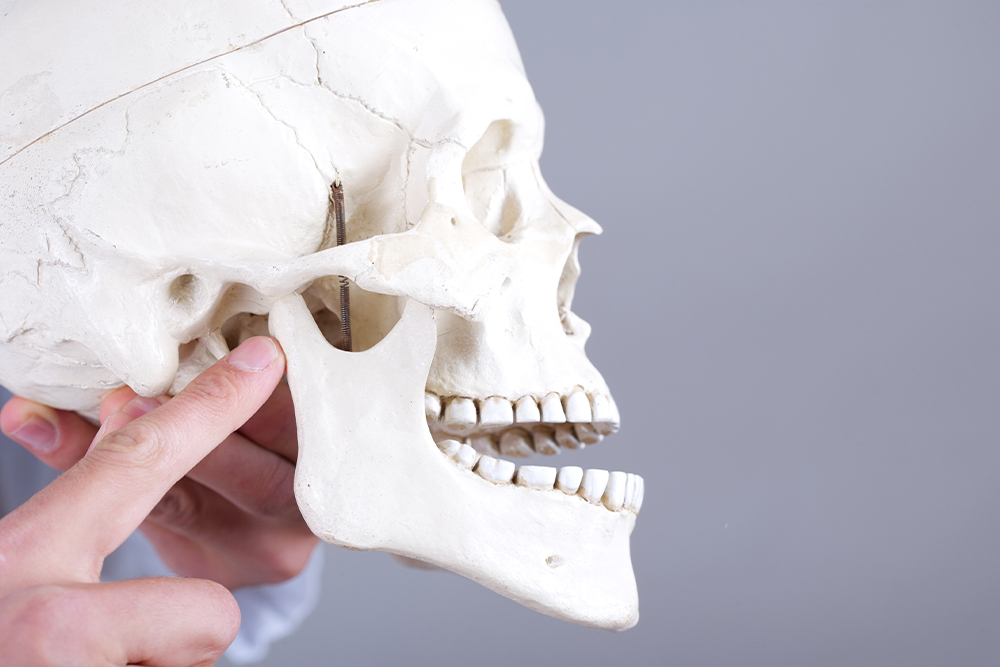
Do you experience constant clicking, locking, and popping of your jaw? How about painful chewing, headache, earache, or discomfort around your temple area? If your answer is yes to these questions – you might be suffering from TMJ disorders.
TMJ or temporomandibular joint attaches your jawbone (mandible) to your skull (temporal bone). This joint is located on each side of your jaw just right in front of your ears. TMJ disorders are a pain, literally! TMJ can cause pain, particularly, the muscles that control your jaw movement.
Causes
It is difficult to distinguish what may have caused a person to suffer from TMJ disorders. There are several factors at play such as genetics, arthritis, stress, or even jaw injury. Underlying medical conditions like certain connective tissue diseases could also account for this disorder. Habitual clenching or grinding could also be blamed for this, but not everyone who clenches and grinds their teeth develop such disorders.
Cartilage and small shock-absorbing disks surround the parts of the bones that interact in the joint. Their purpose is to keep the movement as smooth as possible. Painful TMJ can occur if:
The little disk gets worn down or misaligned
Inflammation impairs the cartilage
Sudden, sharp, or heavy impact damages the joint
Nevertheless, what causes TMJ disorders in most cases are uncertain.
What should I expect when I book for a TMJ Disorder Consultation?

Your doctor or dentist may discuss your symptoms and examine your jaw before officially diagnosing you with TMJ disorders. Your medical care providers will most likely listen, feel, and observe the range of motion of your jaw when you open and close your mouth. They may also apply pressure on various areas around your jaw to identify sites of pain and discomfort. X-Rays & CT/MRI scans could also help to properly diagnose TMJ disorders by providing detailed images and revealing problems pertaining to the joint’s disks or surrounding soft tissue.
How is TMJ Disorder treated?
Painful symptoms of TMJ disorders may go away on their own, however, if symptoms persist please see a doctor. You may take over-the-counter pain medications but if these are not enough your doctor can prescribe you stronger pain relievers, anti-inflammatories, low dose tricyclic antidepressants, or muscle relaxants to ease discomfort.
Mouth Guards: although it is not well-understood why wearing a soft or firm device inserted over your teeth soothes jaw pain, in most cases it works!
Physical Therapy: certain exercises will stretch and strengthen jaw muscles
Arthrocentesis: small needles are used to irrigate debris and inflammatory by-products
Injections: corticosteroid injections help relieve pain
TMJ Treatment or TMJ arthroscopic surgery (a.k.a. keyhole surgery): a small thin tube is placed into the joint space to either remove scar tissue, reshape parts of the jawbone, reposition the disc or tighten the joint to limit it from moving
Modified condylotomy: addresses the jawbone instead of the joint; best suited if patients experience jaw locking
Open-joint surgery: if TMJ symptoms are caused by structural problems; the most sophisticated surgical treatment for TMJ disorders but involves many risks compared to other treatments. Patients must carefully discuss pros and cons with dentists/doctors.
Acupuncture: hair-thin needles pinned on specific locations of the body
Relaxation Techniques: consciously taking a deep breath in and out can help relax tense muscles
Tips to Help Reduce TMJ Disorder symptoms:
Eat softer foods and make sure you cut your food into small pieces. Avoid chewy foods.
Massage the area in pain. (Ask your medical care providers about the best home exercises for your jaw).
Use an ice pack or heat-pack to ease the pain.
Book an appointment with our Calgary Dentists for your TMJ Treatment! Clicking, popping, and locking should be for your dance moves, not your jaw. ? Keep scrolling this page to request an appointment, now. We will see you soon!
Helpful Articles
article_category: products
article_category: psychiatry
article_category: faqs
article_category: cats
article_category: general
article_category: services
article_category: technology
article_category: dogs
article_category: restorative
article_category: vision therapy
article_category: contact lenses
article_category: health
article_category: conditions
article_category: eye surgery co-management
article_category: exotic
article_category: cosmetic
article_category: surgical procedures
article_category: aesthetics
article_category: preventative
article_category: ocular disease management
article_category: eyeglasses
article_category: eye health
article_category: large animal
[]
article_category: psychiatry
article_category: faqs
article_category: cats
article_category: general
article_category: services
article_category: technology
article_category: dogs
article_category: restorative
article_category: vision therapy
article_category: contact lenses
article_category: health
article_category: conditions
article_category: eye surgery co-management
article_category: exotic
article_category: cosmetic
article_category: surgical procedures
article_category: aesthetics
article_category: preventative
article_category: ocular disease management
article_category: eyeglasses
article_category: eye health
article_category: large animal
[]
Flowbite is an open-source library of interactive components built on top of Tailwind CSS including buttons, dropdowns, modals, navbars, and more.
Check out this guide to learn how to get started and start developing websites even faster with components on top of Tailwind CSS.
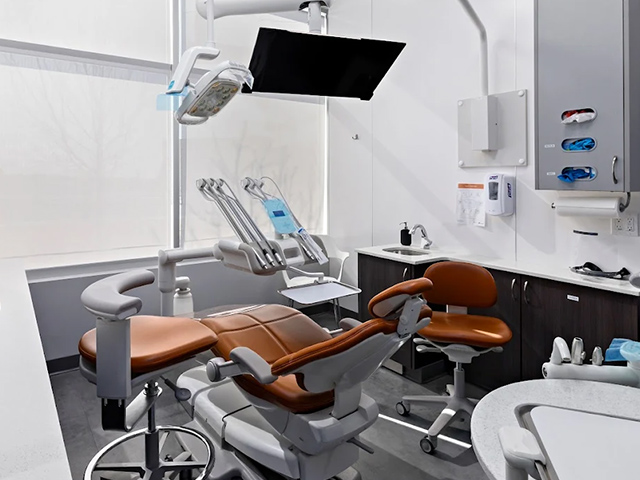
All Dental Services
We offer a wide variety of dental services to the Calgary, AB community. Contact us with any questions about our services.
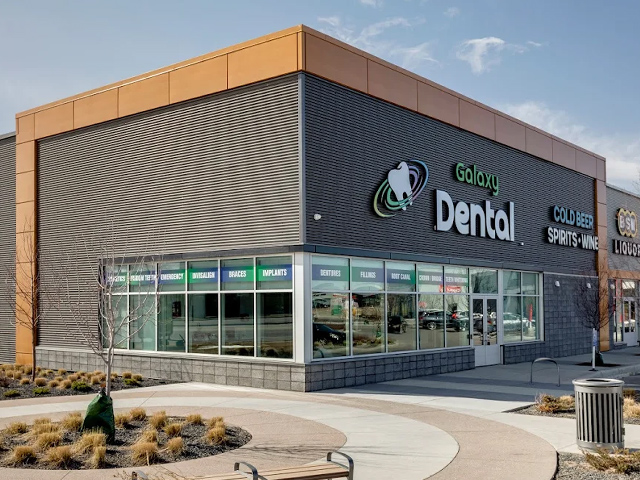
Keep In Touch
For non-urgent questions or to learn more about our services, contact us today!
Ready To Meet Your New Dental Family?
Book your appointment or give us a call!
© 2026 Galaxy Dental. All rights Reserved - Accessibility Statement - Privacy Policy - Terms and Conditions - Sitemap
Managed and Designed by 